
Virtual staging can help properties sell faster and attract higher offers by matching design styles to buyer preferences. Here’s what you need to know:
- Why it matters: 90% of buyers start online, and staged homes sell 73% faster and for up to 17% more.
- Key styles: Modern, Scandinavian, Industrial, Farmhouse, and more – each fits different property types and buyers.
- Targeting buyers: Millennials prefer sleek, minimalist designs; families need cozy, functional spaces; luxury buyers expect high-end finishes.
- Best practices: Use neutral colors, properly scaled furniture, and highlight the property’s unique features.
- Virtual staging benefits: Cost-effective (as low as $20 per image) and faster than traditional staging.
Matching the right staging style to your property and audience can make a big difference in how quickly and profitably it sells.
Virtual Staging Tips To Sell Your Home Faster Online
Virtual Staging Styles Explained
Understanding virtual staging styles can help you make smart design decisions that resonate with potential buyers. Each style sets a unique tone and appeals to specific tastes, so it’s important to choose one that aligns with your property and target audience.
Common Staging Styles
- Modern: Think clean lines, sleek furniture, and neutral colors. This style emphasizes open, uncluttered spaces with crisp white walls and geometric touches for a polished, contemporary vibe.
- Contemporary: While often confused with modern, contemporary design leans into openness and comfort. It mixes materials like glass and metal, incorporates natural light, and follows current design trends, creating a balance between style and livability.
- Minimalist: This approach strips things down to the essentials. With simple furniture and plenty of white space, minimalist staging creates a calm, uncluttered setting that lets the property’s architecture shine.
- Scandinavian: Light and inviting, this style uses natural materials like pale woods and cozy textiles. A neutral color palette of whites, grays, and soft pastels adds warmth to the airy, clean design.
- Industrial: Raw and edgy, industrial staging highlights materials like exposed brick, concrete, and metal. The result is a bold, urban aesthetic perfect for lofts or converted warehouse spaces.
- Mid-century Modern: Inspired by the 1950s and 60s, this style features functional furniture with organic shapes, rich wood tones, and bold pops of color. Tapered legs and retro accents complete the look.
- Traditional: This classic style incorporates elegant wooden furniture, rich fabrics, and warm, timeless colors. Patterned rugs and refined details create a sense of comfort and sophistication.
- Bohemian: Eclectic and personal, bohemian design layers textures, patterns, and colors. Vintage items, plants, and globally inspired decor give the space a relaxed, inviting feel.
- Farmhouse & Modern Farmhouse: Farmhouse style leans on rustic charm with natural wood, neutral tones, and cozy furniture. The modern twist refines this look, blending traditional elements with a more polished, contemporary feel.
- Coastal: Evoking a breezy, vacation-like atmosphere, coastal staging uses light blues, whites, and natural textures. Beachy elements like weathered wood and airy fabrics create a serene, laid-back vibe.
How Styles Affect Buyer Perception
The right staging style can evoke emotions that influence buyer decisions. For instance, modern and contemporary designs often exude sophistication and spaciousness, making them ideal for young professionals or urban buyers who value sleek, efficient spaces.
On the other hand, farmhouse and rustic styles create a warm, welcoming atmosphere that appeals to buyers seeking comfort and tradition, especially in suburban settings. Thoughtful design choices, such as strategic color schemes and uncluttered layouts, also help buyers imagine their own lives in the space, fostering an emotional connection.
These subtle yet powerful cues can significantly impact how buyers perceive a property, whether it’s an apartment, a family home, or a commercial space. Up next, explore which staging styles work best for different types of properties.
Best Staging Styles for Different Property Types
When staging a property, it’s important to match the design to the property’s unique features and the expectations of potential buyers. Here’s how to tailor staging for various types of properties.
Apartments and Condos
For smaller spaces like apartments and condos, modern, minimalist, and industrial styles work wonders. These designs focus on natural materials, neutral colors, and uncluttered layouts, making the most of every square foot. Industrial touches, such as exposed metal pipes and raw wood, add a trendy, urban vibe that appeals to city dwellers.
Did you know that 40% of buyers are more likely to visit a home they first viewed online? Additionally, 31% of buyers’ agents say virtual staging is just as important as virtual tours. This highlights the value of making these spaces visually compelling, both in person and online.
Single-Family Homes
For single-family homes, staging should create a sense of warmth and family-friendly comfort. Styles like farmhouse and modern farmhouse combine rustic charm with practical elegance, using natural wood, neutral tones, and inviting furniture. Alternatively, traditional staging – with its classic furniture and timeless decor – can highlight architectural details and create a sense of lived-in sophistication.
This approach helps buyers imagine themselves living in the space. In fact, 82% of buyers’ agents agree that staging significantly impacts a buyer’s ability to visualize a property as their future home.
Luxury Homes
Luxury properties call for staging that radiates elegance and exclusivity. Minimalist designs with clean lines and neutral palettes enhance the property’s architectural features while creating a spacious, bright atmosphere. According to the December 2023 Luxury Market Report, the median sales price for luxury homes is $1,300,000, making flawless staging a must.
Attention to detail is key here. Elements like unique artwork and high-end lighting can elevate the space. Michael Altneu, Vice President of Global Luxury for Coldwell Banker Real Estate LLC, emphasizes that:
"standout staging and marketing" are essential for success in luxury real estate.
Luxury staging can be pricey – traditional staging for a vacant home averages $6,800 per month, totaling $20,400 for a three-month contract. However, virtual staging offers a more budget-friendly option, costing about $24 per image (or $240 for 10 images).
Commercial Spaces
For commercial properties, staging should emphasize flexibility, functionality, and professionalism. Modern and industrial designs can showcase how the space could be adapted for various business needs.
Virtual staging is especially effective for retail, office, and restaurant spaces. By incorporating digital displays, modern furniture, and stylish decor, virtual staging has been shown to increase lease inquiries by 50% and speed up the leasing process. It’s also cost-efficient, with virtual staging for commercial spaces priced at approximately $24 per image.
Matching Styles to Your Target Buyers
Home staging isn’t just about making a property look attractive – it’s about creating a connection with the people most likely to buy it. When you understand your potential buyers and their preferences, you can design spaces that feel like home before they even step through the door.
Understanding Your Buyers
Before diving into furniture choices or color schemes, take some time to understand your buyers. This means looking at both demographics (like age and income) and psychographics (values and lifestyles).
Start by identifying what your property offers and who it appeals to. For example, a sleek downtown condo might attract young professionals who value convenience and modern amenities, while a suburban home with a big backyard could be perfect for families looking for space and safety.
Market research is key here. Use tools like analytics and surveys to get a sense of what buyers in the area are looking for. Check out neighborhood trends, recent sales, and the types of buyers moving in – whether it’s first-time buyers, growing families, or retirees.
Here’s a creative example: A staging project in San Antonio used a local icon, like Tim Duncan’s shoe, to create an emotional connection with potential buyers.
Once you’ve got a clear picture of your audience, you can tailor your staging to match their lifestyle and expectations.
Choosing Styles for Different Buyer Groups
Different buyers have different priorities, so your staging should reflect their unique needs.
- Families: These buyers need to see spaces that are both functional and kid-friendly. Think durable furniture and design elements that balance relaxation for adults with play areas for children. A cozy family room with comfortable seating and practical features can go a long way.
- Millennials: This group loves modern, minimalist designs. They’re drawn to clean lines, neutral tones, and energy-efficient appliances. Highlight features like smart home technology or built-in charging stations to make the space even more appealing.
- Luxury buyers: High-end buyers expect nothing but the best. Use premium materials, eye-catching artwork, and elegant lighting to create a sense of sophistication. Every detail counts when justifying a premium price point.
- Empty nesters: Often downsizing, these buyers look for elegant but low-maintenance designs. Focus on comfort, accessibility, and spaces that are perfect for relaxing or entertaining.
- First-time buyers: Working with smaller budgets and spaces, this group appreciates versatile furniture that maximizes functionality. Stylish yet practical designs can help them see how to make the most of every square foot.
Tailoring your staging to match buyer preferences can make a huge difference. In fact, 83% of buyers’ agents say that staging helps buyers visualize a property as their future home. By aligning your design choices with what buyers want, you’re not just decorating – you’re helping them imagine their lives there.
"Home staging for buyer demographics is all about understanding and addressing the unique preferences of potential buyers".
sbb-itb-7eef225
Virtual Staging Best Practices
Creating effective virtual staging involves thoughtful design choices that make properties stand out while feeling genuine to potential buyers. When done well, 81% of buyers’ agents report that staging helps buyers envision the property as their future home. A key part of this process involves selecting colors and furniture that complement the property’s natural features.
Selecting Colors and Furniture
The backbone of successful virtual staging lies in choosing colors and furniture that highlight the property’s best attributes. A useful approach is the 60-30-10 color rule: 60% neutral tones as the base, 30% secondary colors for depth, and 10% bold accent colors for a pop of interest. This balance creates a versatile and inviting space that feels larger and brighter. For example, warm tones like soft beige or warm gray add a cozy vibe, while cooler shades like light blue or crisp white create an airy, modern feel.
Furniture should align with both the property’s architectural style and the lifestyle of its target buyers. Sleek, minimalist pieces suit modern homes, while more traditional furniture works better for classic or transitional spaces, emphasizing their charm.
Scale and proportion are equally important. Furniture should be properly sized and arranged to improve the room’s flow and usability. Area rugs can help define specific areas, anchoring furniture and creating a sense of unity within the space. Once the right colors and furniture are in place, the focus can shift to showcasing the property’s standout features.
Showcasing Property Features
Virtual staging is a powerful tool for highlighting a property’s unique architectural elements while helping buyers imagine its potential. Features like large windows, fireplaces, hardwood floors, and open layouts deserve special attention.
Architectural details should be emphasized in a way that draws the eye naturally. For instance, vaulted ceilings, crown molding, or built-in shelving can shine when furniture is arranged to complement rather than compete with them.
For properties with breathtaking views or expansive windows, arrange seating to face these focal points. Use floor-to-ceiling curtains to add height and frame the windows, keeping treatments light to let in natural light.
Open floor plans benefit from thoughtful furniture placement that defines distinct zones without interrupting the overall flow. Area rugs, strategic lighting, and grouped furniture can create clear living, dining, and kitchen spaces while maintaining a sense of openness.
Lighting is another key factor in showcasing property features. Maximizing natural light is essential, but don’t overlook the importance of artificial lighting. Table lamps, floor lamps, and other light sources can add warmth and ambiance. For added realism, ensure shadows on virtual furniture align with the room’s light sources.
Keeping a Consistent Look
A unified design approach ties all staging elements together, making the property more appealing to buyers. Consistency across all staged rooms helps buyers imagine the property as a cohesive living space.
Start by selecting a single design style that complements the property’s architecture. Whether the theme is modern minimalist, traditional elegance, or transitional comfort, keep it consistent across all rooms. This includes aligning furniture styles, color schemes, patterns, and textures. A seamless color palette and uniform quality in all spaces prevent any confusion about the property’s overall value.
Furniture placement and angles should match the room’s architectural features and maintain the perspective of the original photo to ensure the staging feels realistic and natural.
"Maintain a consistent design style throughout the virtual staging to create a cohesive and harmonious look." – Wilson Leung, Author
Virtual staging works best when it feels deliberate and well-planned, as if an interior designer carefully curated every room to create a harmonious and inviting environment.
Using Fast Virtual Staging for Best Results
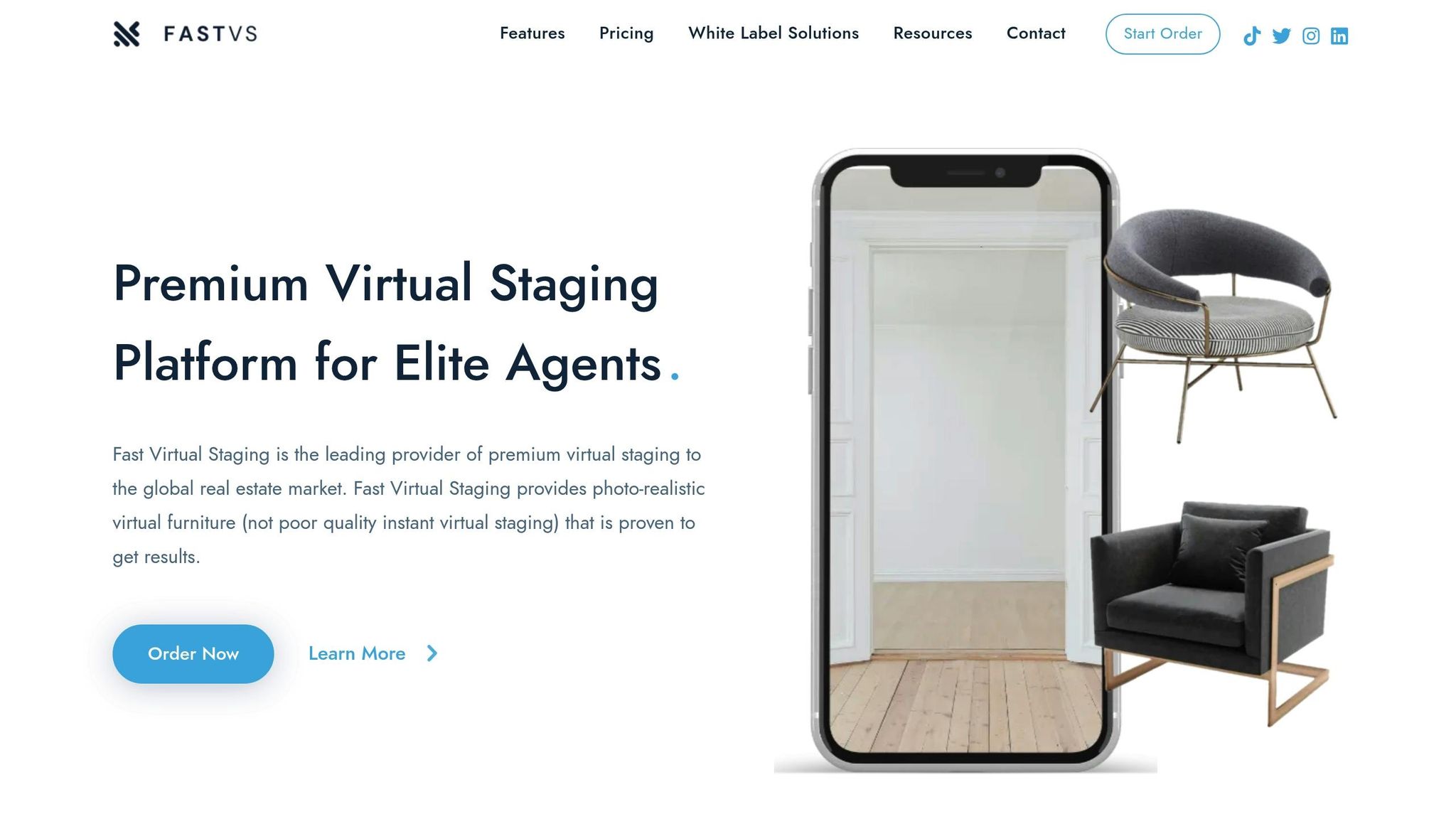
Fast Virtual Staging offers a practical way to showcase a property’s potential, making it easier for buyers to picture themselves in the space. This service provides customizable, photo-realistic staging tailored to different property types and buyer demographics. Whether it’s a sleek urban apartment or a cozy family home, agents can present layouts and styles that resonate with specific audiences. This is particularly impactful, as 81% of buyers’ agents report that staging a home helps buyers envision it as their future home.
"Some people walk in an empty house and that’s all they see – an empty house – and they can’t picture what it would look like staged, so this helps a lot."
- Farrell Desselle, Listing Coordinator at Redfin Realty
Fast Virtual Staging uses high-quality renderings to highlight a property’s best features and appeal to targeted buyers. For example, first-time buyers might prefer modern, minimalist designs, while families might be drawn to functional layouts with playrooms or large dining spaces. Luxury buyers, on the other hand, may expect upscale furnishings.
Fast Virtual Staging Features
What sets Fast Virtual Staging apart is its commitment to realism. Instead of relying on generic AI-generated furniture, the platform uses photo-realistic digital pieces created by skilled 3D artists. This attention to detail ensures the staging looks authentic and professionally designed, which can make a real difference in how potential buyers perceive a property.
The service offers a wide range of design styles, including Scandinavian, French Country, and Modern themes. This variety allows agents to align staging with the preferences of their target audience. For instance, a downtown condo can be styled for young professionals, while a suburban home can be staged with family-friendly décor.
Speed and reliability are key strengths of Fast Virtual Staging. Residential orders are completed within 24 hours, and the ordering process takes less than three minutes. Clients also benefit from hassle-free revisions, with a dedicated account manager ensuring the final images meet their expectations.
"Fast Virtual Staging provides fast turnaround and high-quality virtual furniture for real estate listings. I’ve recommended to my industry colleagues and will continue to use their services in the future."
- Connor Pocock, Sales Associate | Ray White
The platform caters to both residential and commercial properties, offering professional-quality staging for $20 per image. For high-volume users, white-label partners can access additional discounts, making it an even more budget-friendly option.
How to Place an Order
Fast Virtual Staging simplifies the ordering process, allowing real estate professionals to achieve polished results quickly while retaining full control over design choices.
- Select Images and Room Types
Start by choosing the images you want staged and specifying the room types. The platform handles everything from living rooms and bedrooms to kitchens and commercial spaces. - Choose Style and Finalize Payment
Pick a design style for each room, add any specific instructions, and complete your payment. White-label discounts are available for eligible users. - Receive Results
Once completed, your staged images will be delivered to your inbox within 24 hours for residential orders. Your account manager will be on hand to make any necessary adjustments.
Beyond standard furniture placement, Fast Virtual Staging allows for extensive customization. Agents can tailor images to appeal to specific buyer demographics or adjust photos for seasonal touches – all without the hassle of organizing a new photoshoot. This flexibility is especially useful in competitive markets where standing out is essential.
With its combination of speed, quality, and customization, Fast Virtual Staging is a powerful tool for creating compelling listings that connect with buyers and help properties sell faster and at better prices. By integrating this service into your staging strategy, you can elevate your listings and make a lasting impression.
Conclusion: Choose the Right Style for Better Results
Selecting the perfect virtual staging style can create a strong emotional connection with potential buyers, ultimately driving better outcomes. Factors like property type, buyer demographics, and visual goals all influence which staging approach will best showcase your listing.
Here’s a compelling fact: staged homes sell 73% faster than vacant ones. Plus, 20% of buyer’s agents noted that staging increased offer prices by 1% to 5% compared to similar unstaged homes. That’s a clear win for sellers.
When deciding on a style, it’s important to ensure modern or traditional designs complement the property’s character and appeal to the target audience. Adding in-demand features like natural accents, flexible workspaces, smart home technology, and eco-conscious furniture can elevate the overall impact. Buyers are drawn to these elements, and when paired with a smart color scheme – 60% neutral base, 30% secondary tones, and 10% accents – you achieve a look that feels both trendy and timeless.
Attention to detail is key to making buyers feel connected to the space. This is where professional virtual staging services shine. For instance, Fast Virtual Staging provides photo-realistic digital furniture created by skilled 3D artists. With a quick 24-hour turnaround for residential orders and pricing at just $20 per image, it’s a practical and cost-effective way to give your listings a polished, market-ready look. Whether it’s a sleek downtown condo or an upscale luxury home, professional staging can make all the difference.
Ultimately, tailoring staging elements to fit both the property and the target buyer ensures your listing stands out – and sells.
FAQs
How do I choose the best virtual staging style for my property’s design and location?
Choosing the Right Virtual Staging Style
When deciding on a virtual staging style, it’s important to take a close look at your property’s architecture and location. For instance, urban homes or apartments often shine with modern or minimalist designs, while suburban or rural properties might feel more at home with traditional or rustic decor.
Think about your target audience, too. Young professionals might gravitate toward sleek, contemporary looks, whereas families may lean toward cozy, welcoming spaces. Aligning the staging style with both your property’s character and the preferences of potential buyers can make a big difference in how appealing it is.
What are the cost advantages of virtual staging compared to traditional staging?
Virtual staging is a budget-friendly solution compared to traditional staging, often saving homeowners and real estate agents thousands of dollars. While physically staging a property can set you back several thousand dollars, virtual staging usually costs only a few hundred, making it an economical way to elevate your real estate listings.
Beyond the lower price tag, virtual staging offers the added benefit of versatility. You can showcase multiple design styles without the hassle or expense of moving furniture or hiring staging experts. This adaptability can appeal to a wider pool of potential buyers, helping properties sell faster and potentially boosting your return on investment (ROI).
Why is it important to consider buyer demographics when choosing a virtual staging style?
Understanding who your potential buyers are is crucial when choosing a virtual staging style that speaks to them. By aligning the design with their preferences, lifestyle, and needs, you can make the property more attractive and boost its appeal.
For example, a sleek, modern design might catch the eye of young professionals, while a classic or cozy aesthetic could draw in families or retirees. Matching the staging style to the aspirations of your target audience not only highlights the property’s potential but also creates an emotional bond, increasing its chances of standing out and selling quickly.